Insights · 2026-05-27
The real budget for a 30×30 island — design to dismantle
A line-item walk through every cost bucket in a 30×30 island, from sketches to crating to drayage. No published numbers, but a clear shape of where the money goes.
By Rodney Lamar · 2026-05-27 · 7 min read
People always want a number, and I get it. But anybody who quotes you a trade show booth cost for a 30×30 island off a webpage is either guessing or setting you up for a surprise later. What I can do is walk you through every bucket the money goes into, so when you build your budget you know what's coming and nothing blindsides you. No fake price tag — just an honest map of where the dollars actually go.
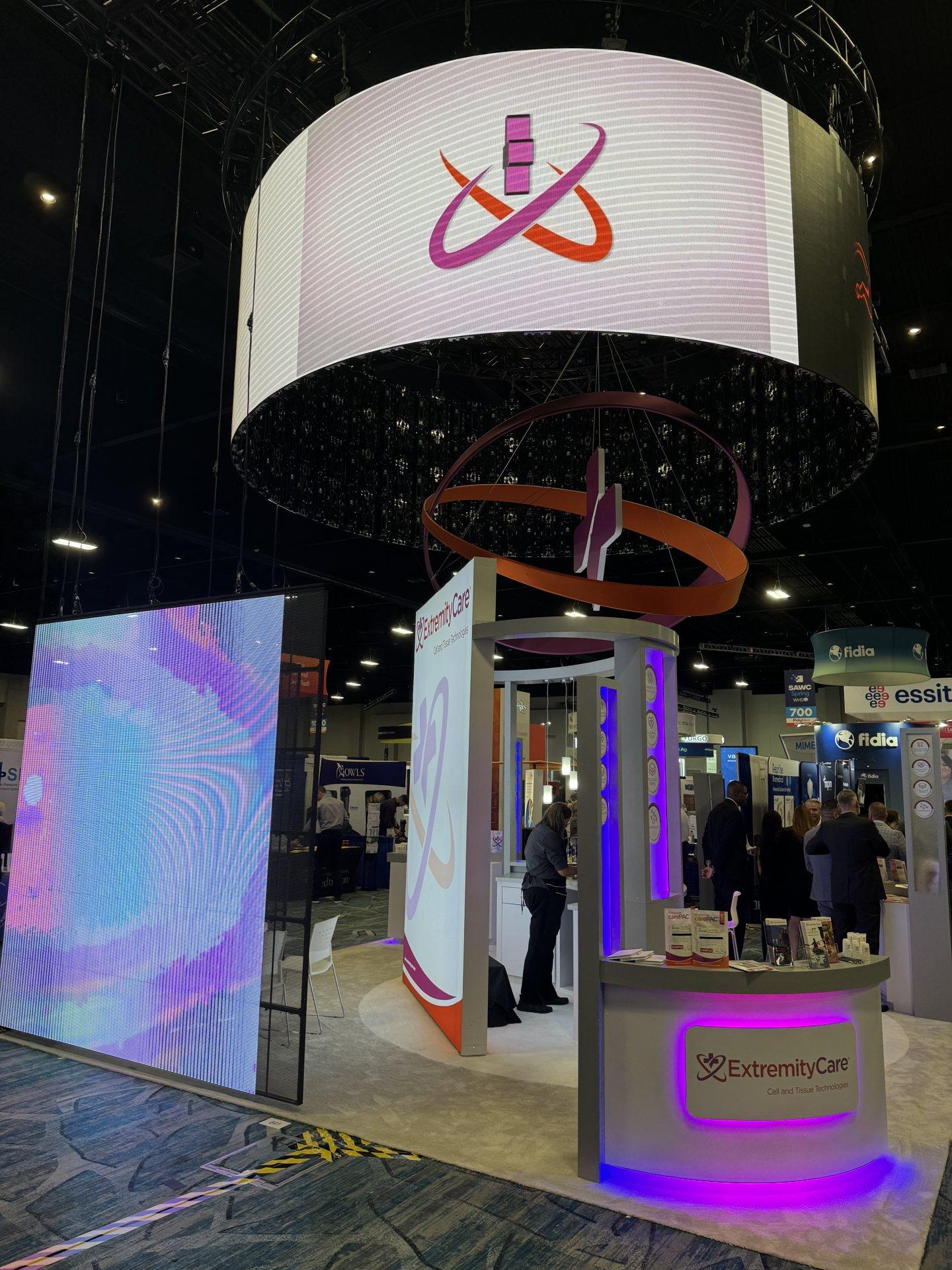
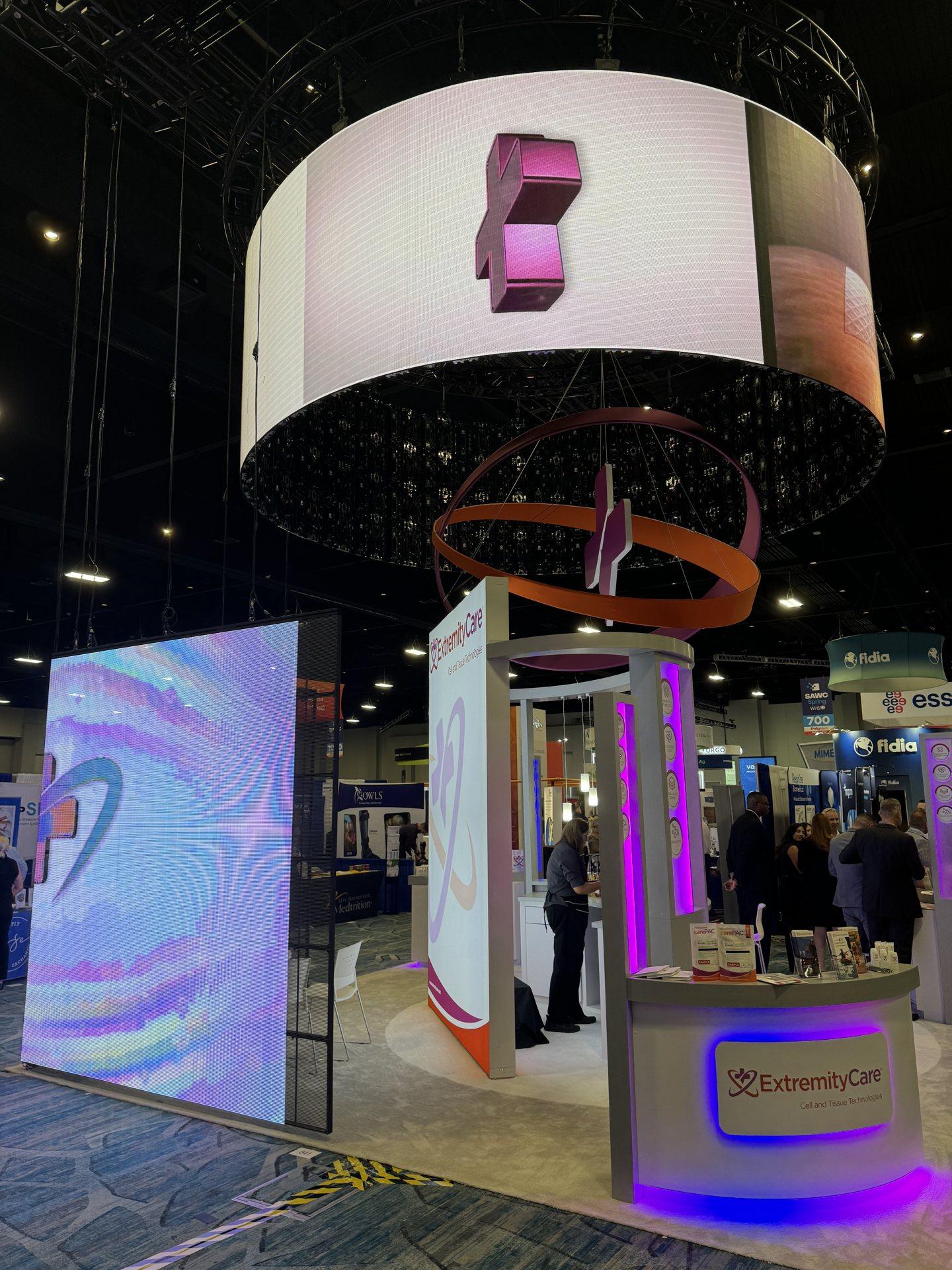
A 30×30 is the biggest standard island footprint, and it's where the line items nobody warned you about tend to show up. If you want to see the kind of structure we're talking about, our 30×30 island rental is a good reference point — premium system, double-deck capable, the works. Now let's open up the budget.
The buckets, in the order they hit you
To make this concrete: a 30×30 island typically carries a substantial header or lightbox you can read from across the hall, multiple branded walls, two or more counters or meeting points, and often a private meeting pod or a demo platform. The premium tier can go double-deck, with integrated AV rigging points and modular interior walls. That's a lot of surface and a lot of structure — which is why the costs below all scale up at this size. Here's where the money goes, roughly in the order it lands on you:
- Design. Floor plan, elevations, a couple rounds of revisions, and a shop walkthrough so you see it before graphics commit. Good design is where show-day problems get solved cheaply. Skimp here and you pay for it later in change orders.
- Fabrication / the structure. The big one. Whether it's a modular system or a custom build changes the number a lot. Custom is exactly yours; modular costs less and re-skins for years.
- Graphics. Large-format printing, fabric tensioning, backlit panels. It adds up fast on an island because there's a lot of surface — and it's also the cheapest thing to refresh later.
- Furniture, lighting, and AV. Counters, stools, a meeting area, lighting design and fixtures, monitor mounts and cabling. Easy to underestimate, and often where a budget quietly grows.
- Crating. The one people forget. Cheap one-show crates fall apart; we engineer crating for the calendar because you'll ship this thing many times.
- Freight. Getting it there and back. A 30×30 fills several crates, so this is real money — and international (say, IDS Cologne) adds a forwarder, carnets, and customs.
- Drayage. The charge the show hits you with to move your crates from the dock to your space and back. It's based on weight, you don't set the rate, and it surprises more first-time island exhibitors than anything else on this list.
- Install & dismantle. Often union labor in the big show cities, which is its own rate. An island takes a crew and hours. Our project lead is on site from load-in through doors-open.
- Storage between shows. If you own it, it has to live somewhere clean and climate-controlled, and somebody should inspect it between shows. A small recurring line, not a big one.
Where budgets actually go wrong
It's almost never the structure. It's the stuff people forget to budget: drayage, freight, crating, and the furniture/AV creep. Build those in from the start and the project feels calm instead of full of surprises. And one honest note — the cheapest quote is rarely the cheapest project. A thin crate, a brokered crew that's never seen the drawings, a structure that can't re-skin: those save you money on day one and cost you over the year.
The other place budgets drift is scope creep during design. A second monitor here, a nicer counter there, an extra branded wall because the booth "felt empty" on the drawing — each one is small, and together they're a five-figure swing by the time you commit. We flag it as it happens, so you're making those calls on purpose with the running total in front of you, not discovering them on the final invoice. A booth budget should have no surprises in it; surprises are just decisions nobody got to make.
Custom or modular changes the whole number
This is the single biggest lever. A custom 30×30 is exactly yours and can do things a kit can't, but it costs more up front and you own and store it after. A modular 30×30 — BeMatrix or Aluvision — costs less, re-skins for years, and resizes for other shows. Many of the best islands we build are hybrids: a modular backbone with one or two custom-fabricated moments where the brand really has to land. Where you sit on that dial moves the budget more than any other choice you'll make.
A sensible order to build the budget
If you're putting the number together yourself, build it in roughly this order so nothing sneaks up on you. Start with the structure and graphics — that's the booth itself. Then add furniture, lighting, and AV, because that's what makes it usable and on-brand. Then, and this is the part people skip, add the logistics layer: crating, freight, drayage, and install and dismantle labor. Finally, if you're going to own the booth, add a small annual line for storage and inspection between shows. Add those three layers up front and the total won't move much once the project gets real.
And spread it across more than one show if you can. A structure that re-skins and travels turns a big one-time number into a per-show cost that gets better every year you run it. If you'll be on the floor more than once or twice, design for re-deploy from day one — the crating, the modularity, and the storage all pay you back.
So what does it actually cost?
It depends — genuinely — on custom versus modular, how much graphics and AV, where you're shipping, and how many times you'll run it. That's why our RFQ has a budget-range field instead of a fake price. Tell us the range you're working with and I'll tell you straight what we can deliver inside it, and where I'd spend the dollars to get you the most booth.
What I won't do is pretend a 30×30 is cheap, or quote you a number I haven't actually scoped. An island is a serious investment — it's also the footprint that does the most work for a brand on a big floor, so when it's planned well it earns its keep show after show. Give me the range and the show, and I'll tell you honestly what's possible inside it and where the smart compromises are.
Frequently asked questions
Why won't you just publish a price? Because any single number would be wrong for most of the people reading it. The same footprint can swing widely depending on custom vs. modular, graphics, AV, and shipping. A budget range on the RFQ lets me give you a real answer instead of a misleading one.
What's the most underestimated cost? Drayage, almost every time — the show's charge to move your crates from the dock to your space. It's weight-based and out of your control, and it catches first-time island exhibitors off guard. We itemize it so it's never a mystery on the final invoice.
Can I bring the cost down without making it look cheap? Yes — go modular on the backbone, put your money into graphics and lighting where it shows, and plan to re-skin instead of rebuild. That's usually the most booth per dollar over a multi-year run.
Ready to put real numbers to your island? Start an RFQ or call me at (240) 441-0847.